
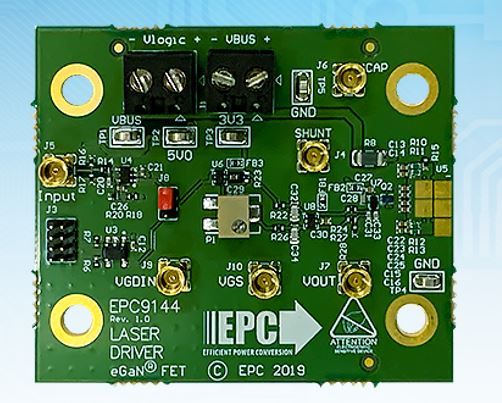
The global electronics landscape is undergoing a profound transformation as Gallium Nitride, or GaN, emerges as the preferred material for next-generation power devices. For decades, silicon has dominated the semiconductor industry, powering everything from household electronics to telecommunications infrastructure and industrial machinery. However, as consumer expectations accelerate, energy efficiency becomes a priority, and emerging technologies demand higher performance, silicon is starting to reveal its physical and operational limitations. GaN power devices respond directly to these limitations, offering exceptional switching speeds, higher breakdown voltages, superior thermal performance, and remarkable power density—all at smaller physical sizes. These characteristics enable engineers and manufacturers to design compact, energy-efficient systems that deliver more power than traditional silicon components could ever achieve. As a result, GaN is rapidly replacing silicon in fast chargers, data centers, renewable energy systems, electric vehicles, aerospace technologies, and countless high-frequency electronics. The shift is not merely a trend but a critical evolution, driven by the need for faster, smarter, cooler, and more efficient power solutions. This transition marks a major technological milestone that is reshaping the electronics industry and setting new global standards for performance and sustainability.
One of the primary drivers behind the transition from silicon to GaN is the dramatic improvement in switching efficiency. Traditional silicon components operate effectively at moderate frequencies, but as systems demand faster switching to reduce energy losses, silicon begins to struggle. Gallium Nitride, by contrast, enables ultra-fast switching speeds with significantly lower resistance and less heat generation. These performance advantages directly translate into reduced power consumption, making GaN ideal for applications where energy efficiency is essential. For instance, modern fast chargers for smartphones and laptops use GaN power devices to deliver higher wattages in a much smaller footprint than silicon-based counterparts. Telecom companies integrate GaN into 5G infrastructure to reduce signal delay and increase network throughput. Data centers, which are notorious for consuming massive amounts of energy, adopt GaN-powered systems to reduce their carbon footprint while improving computational performance. As the world becomes increasingly reliant on high-speed communication, cloud computing, and interconnected devices, GaN’s superior switching capabilities prove invaluable. The material’s ability to maintain stable operation at high frequencies unlocks a new era of compact, high-performance electronics that meet modern demands without compromising efficiency.
Another critical advantage of GaN power devices lies in their ability to handle extremely high voltages and temperatures. Silicon components typically exhibit performance degradation when exposed to elevated heat levels or when operating at high voltages, necessitating bulky heat sinks, cooling systems, and protective circuitry. These additions not only increase cost but also limit the physical compactness of electronic devices. GaN, however, boasts a wide bandgap structure that provides inherent resistance to high temperatures and extreme electrical stress. This allows GaN transistors to operate efficiently under demanding conditions while maintaining structural and electrical stability. In practical terms, GaN-based systems can manage more power with fewer thermal management components, allowing engineers to design lighter, smaller, and more efficient devices. Industries that require high reliability—such as aerospace, defense, and medical technology—find GaN particularly appealing because it withstands harsh operational environments where silicon often fails. Renewable energy systems, including solar inverters and wind turbines, also benefit from GaN’s thermal resilience, enabling more stable and efficient power conversion even under fluctuating conditions. By delivering superior voltage handling and exceptional heat tolerance, GaN ensures long-term performance while reducing system complexity and maintenance costs.
The compactness and power density of GaN devices further solidify their position as the successor to traditional silicon. As consumer electronics evolve, manufacturers aim to reduce device size without sacrificing power capabilities. GaN’s unique crystal structure allows electrons to move more freely than in silicon, resulting in higher energy output in a much smaller footprint. The ability to combine high power with small dimensions makes GaN indispensable for products such as portable fast chargers, wearable devices, handheld medical equipment, and compact industrial machinery. Even in larger applications such as electric vehicles, space satellites, and robotics, GaN’s power density contributes to lighter components and improved overall system performance. In EVs, for example, GaN reduces the size and weight of powertrain electronics, improving range and efficiency—two factors that heavily influence consumer adoption. In satellites and space probes, GaN decreases the mass of critical components while providing the durability needed to withstand extreme temperatures and radiation. These benefits illustrate how GaN is not merely a replacement for silicon but a step forward in enabling cutting-edge technology that meets the demands of modern innovation.
The global push for sustainability and energy efficiency also accelerates the adoption of GaN power devices. As governments and industries commit to reducing carbon emissions, the pressure to develop more efficient power conversion systems intensifies. GaN directly contributes to this mission by reducing energy waste during conversion, enabling smaller power supplies, and supporting the development of greener electronics. Data centers, for instance, account for a significant portion of the world’s total electricity consumption. By upgrading to GaN-based power supplies, operators can cut energy losses, minimize cooling requirements, and increase processing efficiency—reducing both operational costs and environmental impact. Renewable energy systems benefit as well, as GaN-powered inverters improve conversion rates from solar panels and wind turbines, delivering more usable energy to the grid. Even consumer electronics contribute to sustainability efforts when powered by GaN chargers that waste fewer watts during operation. As industries align with global sustainability goals and energy regulations grow stricter, GaN-based systems stand out as essential components in ensuring compliance while driving long-term environmental progress. The advantages in energy conservation and reduced system overhead position GaN as the material of choice for the eco-conscious technology landscape.
Looking ahead, the adoption of GaN power devices is expected to expand exponentially as manufacturing processes mature and the cost gap between GaN and silicon narrows. The semiconductor industry is investing heavily in GaN research, fabrication technologies, and mass-production methods that make the material more accessible and affordable. With major electronics brands already embracing GaN for chargers, automotive applications, high-performance computing, and industrial automation, the momentum behind GaN is rapidly increasing. Future innovations may include GaN-based processors, advanced radio-frequency systems for next-generation networks, and ultra-efficient energy storage solutions. Moreover, as AI, robotics, autonomous vehicles, and aerospace technology continue to evolve, GaN will play a central role in enabling these fields to achieve greater speed, intelligence, and energy efficiency. The growing ecosystem of GaN solutions—from power transistors to integrated modules—will also empower engineers to design systems previously limited by silicon’s physical and operational constraints. Ultimately, the shift from silicon to GaN represents more than a simple upgrade; it marks a pivotal transition toward a new era of electronics defined by unmatched efficiency, compactness, performance, and sustainability. As the world moves toward a future powered by cleaner energy and smarter technology, GaN stands poised to lead the semiconductor industry into its next generation of innovation.