
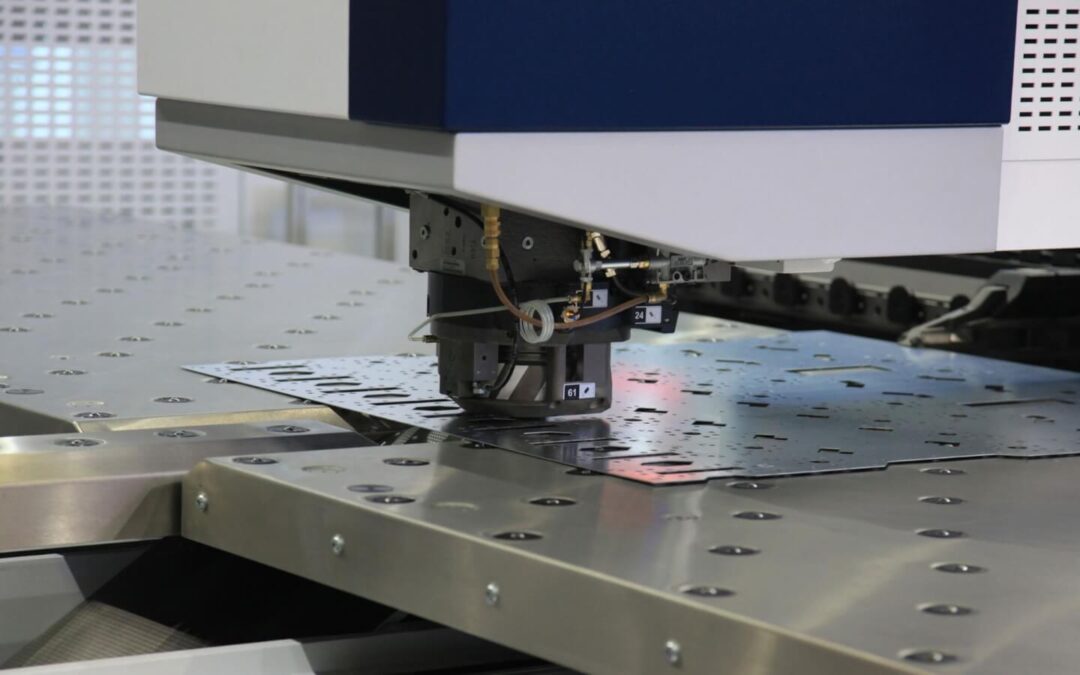
In CNC machining, few variables are as influential to cutting quality as feed rate and spindle speed. These two parameters govern how the cutting tool interacts with the material, determining everything from surface finish and dimensional accuracy to tool life and heat generation. As manufacturers push machines to operate faster and produce more precise components, understanding the relationship between feed rate, spindle speed, and machining outcomes has become essential. Feed rate controls how quickly the cutting tool advances through the workpiece, while spindle speed dictates how fast the tool rotates. Together, they define the chip load—the thickness of material removed per tooth per revolution—which is the foundation of efficient machining. When chip load is optimized, cutting becomes smoother, cooler, and more consistent; when chip load is too high or too low, it can result in chatter, tool breakage, burn marks, or dimensional errors. The ability to balance these parameters effectively allows CNC programmers and operators to achieve superior cutting performance, minimize waste, and maintain tight tolerances across long production runs. As industries demand increasingly intricate geometries and high-accuracy components, mastering feed rate and spindle speed becomes a critical factor in the competitive landscape of precision manufacturing.
The impact of spindle speed on cutting quality is significant, as it directly influences surface finish, heat generation, and tool engagement. Spindle speed, measured in revolutions per minute (RPM), affects how aggressively the cutting edge meets the material. Higher spindle speeds can produce smoother surfaces because they create finer, more uniform chips that glide away easily from the cutting zone. This is why high-speed machining is often used for finishing operations in aerospace, mold making, and medical component manufacturing. However, excessively high spindle speeds can also generate too much heat, especially when machining metals like stainless steel or titanium. Heat buildup leads to thermal expansion in both the tool and the workpiece, causing dimensional inaccuracies and premature tool wear. If the cutting edge overheats, built-up edge formation can occur, where material adheres to the tool and deteriorates cutting quality. Conversely, spindle speeds that are too low cause the cutting edge to bite aggressively into the material, creating vibration and chatter marks that degrade the surface finish. Each material—whether aluminum, carbon steel, brass, ceramics, or composites—has an ideal cutting speed based on its hardness and thermal conductivity. Determining the optimal spindle speed requires understanding these material properties, the tool geometry, and the desired surface quality, making spindle speed selection a foundational element of CNC machining strategy.
While spindle speed determines how fast the cutter rotates, feed rate controls how quickly the tool moves along its cutting path relative to the material. Feed rate, typically measured in millimeters or inches per minute, influences chip thickness, cutting forces, and the overall stability of the machining process. A feed rate that is too high produces thick, heavy chips that can overload the tool, causing chipped edges, broken inserts, or damage to the spindle. High feed rates also increase cutting forces, which can lead to part deflection, especially when machining thin walls or delicate geometries. This results in dimensional inaccuracies that require rework or scrap. On the other hand, feed rates that are too low can be equally problematic. When the tool feeds too slowly, chip thickness becomes too thin to form cleanly, causing the cutting edge to rub instead of cut. Rubbing generates heat, dulls the tool prematurely, and often leaves burn marks or poor surface finishes. Achieving the right feed rate ensures that the tool engages the material efficiently, creating consistent chip formation and minimizing stress on both the tool and the machine. In multi-axis machining, where tool angles frequently change, dynamic feed rate adjustment is essential to maintain proper chip load throughout the toolpath. This capability is crucial for achieving uniform cutting quality in complex aerospace parts, molds, and precision components.
The relationship between feed rate and spindle speed becomes fully evident when considering chip load—the amount of material removed by each cutting edge per revolution. Chip load is the most important factor in determining cutting quality, as it governs tool performance, surface finish, and machining efficiency. Optimal chip load ensures that the tool cuts cleanly and consistently, removing enough material to maintain sharpness without causing excessive stress. When feed rate increases, chip load increases; when spindle speed increases, chip load decreases. Finding the balance between these two parameters is essential for fine-tuning the machining process. For example, increasing spindle speed while keeping feed rate constant reduces chip thickness, which can improve surface finish but elevate heat generation if chip evacuation is inadequate. Conversely, increasing feed rate without adjusting spindle speed increases chip load, which may improve cutting efficiency but also risks tool overload if the material is particularly hard or abrasive. CNC programming software often calculates chip load automatically, but skilled machinists refine these values through experience, test cuts, and real-time monitoring. In high-precision industries, even small adjustments to chip load can mean the difference between a flawless finish and unacceptable chatter marks.
Heat management is another area where feed rate and spindle speed have a powerful influence on cutting quality. Heat is an inevitable byproduct of machining, and controlling it is essential for maintaining dimensional accuracy and prolonging tool life. Spindle speed affects heat directly because faster rotation increases friction at the cutting edge. Feed rate affects heat differently, influencing how long the tool stays in contact with the material. A higher feed rate means the tool travels quickly through the cut, reducing the time available for heat to accumulate. This is why high-feed machining strategies can sometimes be cooler and more efficient than slower cutting approaches. When feed rate is too low, heat becomes trapped in the cutting zone, leading to thermal expansion, microcracking, and poor surface quality. Balanced feed rate and spindle speed also help maintain effective chip evacuation, which is crucial for preventing heat buildup. Chips act as heat carriers, and removing them efficiently keeps temperatures stable. When chips are too thin from low chip load, they cannot absorb heat effectively; when they are too thick due to high chip load, they may cause friction and clogging. Coolant strategies—such as high-pressure coolant, through-spindle coolant, and mist lubrication—work best when feed rate and spindle speed are properly tuned, reinforcing the idea that cutting parameter optimization is central to thermal control and machining precision.
Beyond tool and material dynamics, feed rate and spindle speed play a central role in determining the overall cycle time and productivity of CNC machining operations. In high-volume production, small adjustments to these parameters can translate into significant time savings and reduced operational costs. Manufacturers aim to run machines at the highest possible speeds without compromising cutting quality or tool integrity. However, pushing feed rate or spindle speed too aggressively can lead to unpredictable outcomes such as poor surface finish, dimensional drift, and increased tool consumption. This is especially critical when machining expensive materials like Inconel, hardened steels, or advanced composites, where rework or scrap carries high financial risk. Adaptive control technologies are now being integrated into modern CNC machines to address these challenges. These systems monitor cutting forces and spindle loads in real time, automatically adjusting feed rate to maintain optimal performance. Such systems allow manufacturers to run at higher speeds while protecting cutting quality, reducing cycle times, and improving consistency across large batches of parts. As CNC machining continues to evolve, the synergy between feed rate, spindle speed, and intelligent control systems will become increasingly important for achieving competitive levels of precision and efficiency.
In conclusion, feed rate and spindle speed are fundamental parameters that directly shape CNC cutting quality, tool life, surface finish, heat control, and overall production efficiency. The delicate balance between these two variables determines how the cutting tool engages with the material, influencing everything from chip formation to dimensional accuracy. Mastering feed rate and spindle speed allows manufacturers to achieve optimal chip load, maintain stable cutting conditions, and produce high-quality parts with minimal waste. As machining technology advances, the integration of real-time monitoring, adaptive control, and AI-driven optimization continues to refine how these parameters are managed. Whether producing intricate aerospace components, high-precision medical implants, or complex molds and dies, the ability to fine-tune spindle speed and feed rate remains at the core of modern CNC machining excellence. By understanding and optimizing these interconnected factors, manufacturers can push the boundaries of performance, maximize tool efficiency, and deliver superior cutting quality that meets the rigorous demands of today’s industries.