
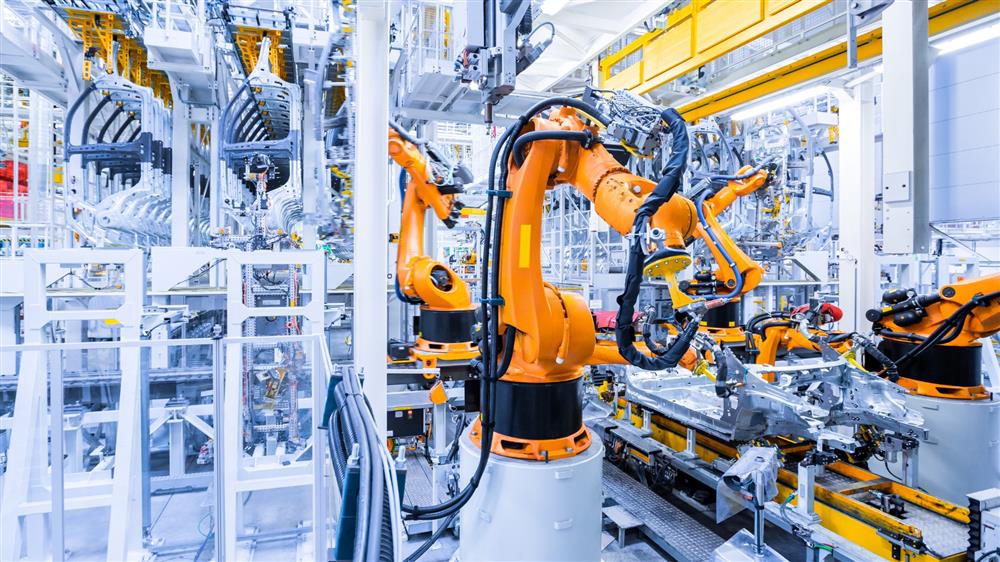
Additive manufacturing, once considered an experimental technology limited to prototyping, has now become one of the most transformative forces in the industrial world. Traditional manufacturers—long reliant on subtractive machining, casting, and molding—are increasingly adopting additive methods to stay competitive in an industry shaped by speed, customization, and cost efficiency. The evolution of 3D printing from a niche capability into a robust industrial solution has opened new opportunities for innovation and operational agility. Traditional manufacturers now view additive manufacturing not as a replacement for established processes, but as a complementary technology that enhances their ability to design, test, and produce highly complex components with unprecedented flexibility. As global competition intensifies and consumer expectations shift toward personalized and rapidly delivered products, additive manufacturing is becoming a strategic asset that modern manufacturers can no longer ignore.
One of the driving factors behind this adoption is the ability of additive manufacturing to drastically shorten product development cycles. Traditional methods often involve lengthy tooling processes, manual modifications, and costly rework during prototyping stages. Additive manufacturing eliminates these delays by enabling rapid iteration and design freedom. Engineers can revise a model digitally and print a new version within hours, significantly accelerating innovation timelines. For industries such as automotive, aerospace, and healthcare—where time-to-market is critical—this capability translates into substantial competitive advantage. Manufacturers not only reduce development costs but also benefit from the flexibility to experiment with new geometries, materials, and structural concepts that would be impractical or impossible to create using subtractive methods.
Additive manufacturing also offers tremendous value when it comes to producing lightweight yet durable parts. Traditional manufacturing often struggles with complex internal structures, but additive methods can build components layer by layer, enabling optimized shapes such as lattices and organic geometries. This makes additive technology especially appealing in sectors where weight reduction directly improves performance, such as aerospace and motorsports. Manufacturers adopting this approach gain the ability to create strong, lightweight components without sacrificing structural integrity. Additionally, the use of advanced materials—from high-performance polymers to metal alloys—continues to expand the possibilities of what can be produced additively. For traditional manufacturers seeking to enhance product performance or meet strict regulatory requirements, additive manufacturing provides new pathways for material efficiency and product optimization.
Another compelling reason for traditional manufacturers to embrace additive technology is the reduction of overall production costs, particularly in low-volume or customized manufacturing scenarios. While mass production still favors traditional processes for cost efficiency, additive manufacturing excels in situations where demand is variable, tooling costs are prohibitive, or customization is essential. Manufacturers can produce small batches or even single units without investing in molds, fixtures, or extensive setup procedures. For industries like medical devices, customized tooling, spare parts, and limited-edition consumer products, this flexibility is invaluable. The ability to print on-demand also reduces inventory costs and mitigates supply chain risks—a significant advantage in an era of global disruptions and material shortages. Many traditional manufacturers now integrate additive systems to create hybrid workflows where both traditional and additive processes work together to maximize efficiency and cost savings.
As additive manufacturing technologies advance, automation and digital integration have further accelerated adoption among traditional manufacturers. Modern additive systems feature automated post-processing, real-time monitoring, and sophisticated software capable of optimizing print parameters and predicting potential failures. These innovations reduce manual labor, improve repeatability, and ensure consistent part quality. Additionally, the integration of additive manufacturing with CAD/CAM tools, simulation software, and ERP systems allows manufacturers to develop highly efficient digital production ecosystems. This digital transformation not only supports better traceability and quality control but also empowers organizations to adopt data-driven decision-making practices. With the rise of Industry 4.0, additive manufacturing is aligning perfectly with broader smart-factory initiatives, helping traditional manufacturers adapt to evolving market demands with enhanced agility.
Ultimately, the adoption of additive manufacturing among traditional manufacturers represents a pivotal moment in the evolution of global production. Rather than replacing established methods, additive technology expands the capabilities of manufacturers, enabling them to achieve new levels of efficiency, innovation, and customization. As material science advances and additive machines become faster, more reliable, and more cost-effective, the integration of 3D printing into traditional workflows will continue to accelerate. Companies that embrace this hybrid model gain a significant competitive edge, offering more innovative products, faster delivery times, and more resilient supply chains. In an industry where adaptability and technological advancement are key to long-term success, additive manufacturing stands out as one of the most powerful tools shaping the future of manufacturing worldwide.