
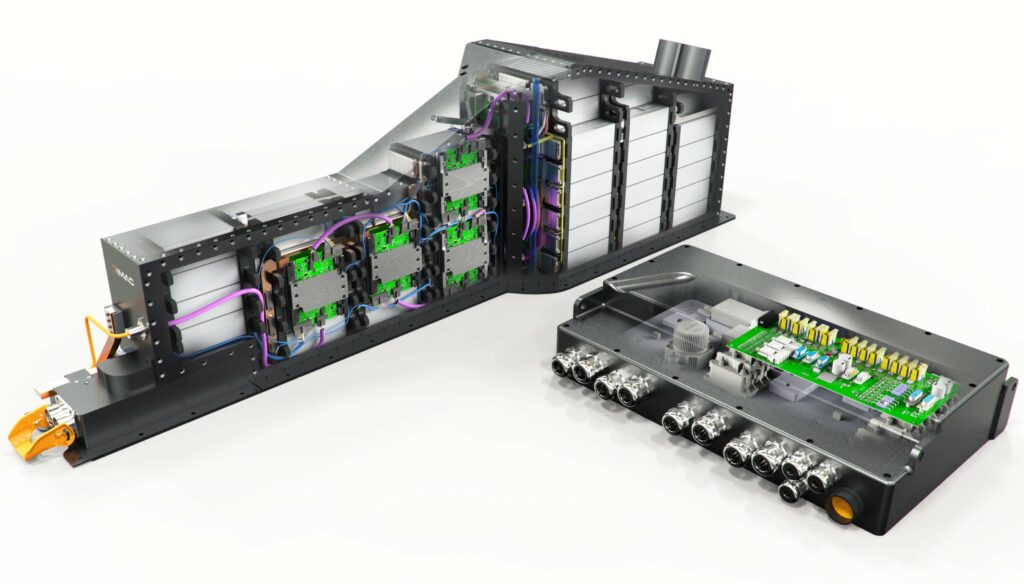
Battery management systems have become the silent technological backbone powering today’s portable electronics, ensuring safety, efficiency, and longevity across a rapidly growing ecosystem of devices. As consumers demand smaller, lighter, and more powerful gadgets, engineers are pushed to rethink how energy is stored, distributed, and safeguarded. Modern battery management systems, or BMS, now incorporate advanced sensing, predictive analytics, and AI-driven algorithms to create an intelligent power layer within smartphones, wearables, laptops, drones, handheld tools, medical devices, and even emerging categories such as smart tags and ultra-compact IoT nodes. This transformation is not merely incremental; it reflects an industry-wide acceleration fueled by rising energy density, new chemistries like solid-state and lithium-sulfur, hyper-efficient charging processes, and unprecedented expectations for device durability. In the past decade, battery management was focused on preventing overcharge and overheating. Today, BMS solutions function almost like miniature energy-operating systems, orchestrating real-time decision-making that helps devices remain stable under increasingly intensive workloads. As portable electronics move toward multi-day endurance and ultra-fast charging cycles, the evolution of battery management systems is becoming one of the most influential forces shaping the future user experience.
One of the most significant advancements in contemporary BMS architecture is the integration of high-precision monitoring capabilities, which address the fundamental challenge of controlling lithium-based cells with absolute accuracy. These systems now routinely track key indicators such as voltage, current, temperature, impedance, and state-of-charge (SOC) at granular intervals, allowing the device to respond instantly to fluctuations that might compromise performance or safety. What once required bulky external testing equipment can now be achieved through embedded microcontrollers and solid-state sensors smaller than a grain of rice. With the inclusion of state-of-health (SOH) algorithms, devices can also evaluate the long-term condition of their batteries, predicting aging trends and adjusting charging behavior to extend lifespan. This development has changed how manufacturers design products, enabling the creation of thinner devices without sacrificing reliability. Smartphones with aggressively slim profiles, tablets with laptop-like endurance, and flagship headphones that deliver days of continuous use all owe their capabilities to sophisticated BMS monitoring frameworks. These fine-grained insights also contribute to more sustainable electronics, as batteries degrade more slowly and require less frequent replacement, reducing electronic waste on a global scale.
Equally transformative is the shift toward machine-learning-driven power optimization. Traditional BMS logic relied on fixed rule sets, but modern systems can analyze user behavior and adapt power delivery accordingly. For example, a device may identify when a user typically charges overnight and automatically slow the charge rate to reduce wear, or learn application usage patterns and allocate power more efficiently to high-priority tasks. In multiprocessor environments, such as smartphones and tablets, the BMS can coordinate with system-on-chip (SoC) components to dynamically scale performance levels, preventing unnecessary load spikes that strain the battery. Wearables have especially benefited from this transition, as limited internal space demands exceptionally efficient power strategies. Fitness trackers and smartwatches now routinely use predictive battery management to maintain accurate tracking and always-on displays without overwhelming their compact cells. Manufacturers also employ BMS-driven analytics to generate battery health reports, giving consumers greater transparency and confidence in device longevity. The fusion of AI and energy management ultimately shifts the paradigm from reactive to proactive control, enabling portable electronics that are more responsive, longer lasting, and intelligently tuned to each user’s lifestyle.
Fast charging, once seen as an experimental luxury, has evolved into a mainstream expectation, and modern BMS designs are essential to making it safe and practical. High wattage charging can introduce thermal stress and chemical strain, especially in dense lithium-ion and lithium-polymer cells. Advanced charging protocols now incorporate multi-stage algorithms that adjust current flow in real time, balancing speed with safety margins to keep temperatures within ideal thresholds. Technologies such as USB Power Delivery, GaN-based fast chargers, and proprietary turbo charging systems rely heavily on BMS communication to synchronize operations between charger and device. The BMS ensures that the battery follows an optimized curve—high current during early charging, followed by tapered, precision-controlled input as it nears full capacity. This approach preserves battery health while enabling remarkably short charge times, often restoring hours of usage in just a few minutes. Portable electronics such as gaming handhelds, professional cameras, and drones have seen some of the biggest improvements, as high-performance hardware demands rapid replenishment during field use. Rather than compromising longevity, modern BMS-equipped fast charging enhances both convenience and overall health, striking a balance that manufacturers were unable to achieve in earlier generations.
The rise of next-generation battery chemistries has also driven innovation within battery management systems, as emerging materials introduce new complexities and opportunities. Solid-state batteries, for example, promise greater energy density and enhanced safety due to their non-flammable electrolytes, but they require ultra-sensitive monitoring to manage their unique electrochemical behaviors. BMS solutions are being redesigned to accommodate these characteristics, with specialized firmware that can respond to subtle variations in internal resistance and charge distribution. Meanwhile, lithium-sulfur and lithium-air batteries, though still largely experimental, depend on advanced control algorithms capable of stabilizing inherently volatile reactions. As manufacturers explore hybrid chemistries and nano-engineered electrode materials, the BMS must evolve in parallel, becoming more flexible and modular to adapt to shifting electrical profiles. Even within traditional lithium-ion frameworks, new anode technologies such as silicon-dominant materials introduce different expansion patterns during charging, requiring highly adaptive BMS strategies to prevent structural degradation. This interplay between chemistry and electronic intelligence underscores how central BMS innovation is to unlocking future breakthroughs, ensuring next-generation batteries reach their full performance potential safely and effectively.
Connectivity is another frontier reshaping modern BMS capabilities, especially as portable electronics become part of broader ecosystems and cloud-linked platforms. Advanced BMS modules now support wireless diagnostics, allowing users and technicians to access detailed battery analytics remotely. In commercial and industrial applications, such as handheld scanners, portable medical tools, or rugged field equipment, cloud-connected BMS technologies enable predictive maintenance—reducing downtime by identifying issues before they escalate. Bluetooth-enabled battery packs in consumer electronics are becoming increasingly common, empowering users to check real-time voltage, temperature, and health information through companion apps. This trend blends functionality with user empowerment, giving individuals deeper insight into how their devices operate and how to maintain optimal performance. On the manufacturing side, connectivity allows companies to deploy firmware updates that improve battery efficiency, enhance safety parameters, or unlock new features without requiring physical servicing. In a world where portable electronics evolve rapidly, such remote management capabilities extend device relevance and create a more sustainable lifecycle. The combination of advanced hardware, smart algorithms, and seamless connectivity has transformed battery management systems from passive safety components into active, intelligent platforms that define device quality, performance, and user trust.
In summary, advancements in battery management systems represent one of the most influential shifts in the portable electronics landscape. As devices become more powerful and user expectations grow, the BMS serves as the critical foundation that enables efficiency, safety, and longevity. High-precision monitoring, AI-driven optimization, intelligent fast charging, next-generation chemistry compatibility, and cloud-integrated diagnostics are reshaping how manufacturers design products and how consumers experience them. These innovations push portable electronics into a new era where performance and sustainability coexist, unlocking the potential for thinner devices, longer battery life, and smarter interaction between energy systems and users. With rapid momentum in both material science and embedded intelligence, the future of battery management systems promises even greater breakthroughs—bringing us closer to an age where portable technology is not limited by power constraints but empowered by energy that is safer, smarter, and more adaptive than ever before.